Diagnosis and Management of Obstructive Sleep Apnea (OSA)
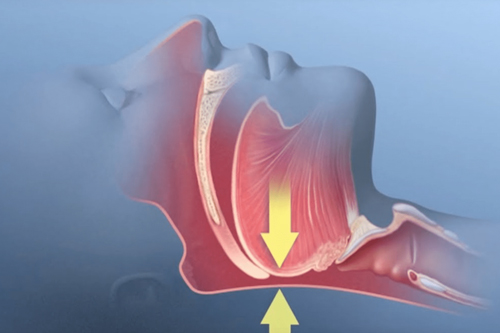
Obstructive Sleep Apnea (OSA) is a sleep-related breathing disorder in which the upper airway repeatedly becomes narrowed or blocked during sleep. These episodes can interrupt normal breathing, reduce sleep quality, and cause repeated brief awakenings during the night.
Dr. Prakhar Kumar provides comprehensive ENT evaluation to identify possible causes of airway obstruction and assess the nose, throat, tonsils, adenoids, and other upper airway structures. Appropriate investigations and treatment are recommended according to the severity and underlying cause of OSA. Book a consultation.
Conditions
Evaluation may be recommended when snoring or nighttime breathing problems are associated with symptoms suggesting obstructive sleep apnea.
- Obstructive Sleep Apnea (OSA)
- Habitual or loud snoring
- Repeated pauses in breathing during sleep
- Nighttime choking or gasping
- Sleep-related breathing difficulties
- OSA associated with nasal obstruction
- OSA associated with enlarged tonsils or adenoids
- Sleep disturbance affecting daytime function
Symptoms
OSA can affect both nighttime sleep and daytime functioning. Persistent symptoms should be evaluated to determine whether further sleep assessment is required.
- Loud and persistent snoring
- Pauses in breathing during sleep
- Gasping or choking during sleep
- Restless or disturbed sleep
- Morning headaches
- Dry mouth on waking
- Excessive daytime sleepiness or tiredness
- Difficulty concentrating or reduced alertness
Causes
OSA occurs when the upper airway becomes repeatedly narrowed or blocked during sleep. Several anatomical and lifestyle factors may contribute to airway obstruction.
- Enlarged tonsils or adenoids
- Nasal blockage or chronic congestion
- Deviated nasal septum
- Nasal allergies
- Excess body weight
- Relaxation of throat muscles during sleep
- Structural narrowing of the upper airway
- Alcohol or sedative use close to bedtime
Treatment
Treatment is individualized according to the severity of OSA, the underlying cause, airway anatomy, and the patient's overall health.
- Detailed ENT consultation and airway examination
- Assessment of the nose, throat, tonsils, and adenoids
- Nasal endoscopy when clinically required
- Sleep study or further sleep assessment when indicated
- Management of nasal allergies and congestion
- Lifestyle and sleep-related recommendations
- CPAP or other sleep-apnea therapy when recommended
- Surgical treatment for selected anatomical causes of airway obstruction
Benefits
Early diagnosis and appropriate management can help improve nighttime breathing, sleep quality, and daytime alertness while addressing contributing airway problems.
- Helps identify the cause of airway obstruction
- Supports accurate evaluation of OSA severity
- Helps identify nasal or throat obstruction
- May reduce loud and persistent snoring
- Can improve nighttime breathing
- May improve sleep quality and daytime alertness
- Helps reduce complications associated with untreated OSA
- Provides an individualized long-term management plan
Prevention
Not all cases of OSA can be prevented, but healthy lifestyle habits and timely treatment of nasal and airway conditions may help reduce risk and severity.
- Maintain a healthy body weight
- Follow a regular sleep schedule
- Sleep on your side when appropriate
- Avoid alcohol close to bedtime
- Avoid unnecessary sedative use unless prescribed
- Manage nasal allergies and congestion
- Avoid smoking and tobacco exposure
- Seek evaluation for persistent snoring or breathing pauses during sleep