Treatment of Nasal Polyps
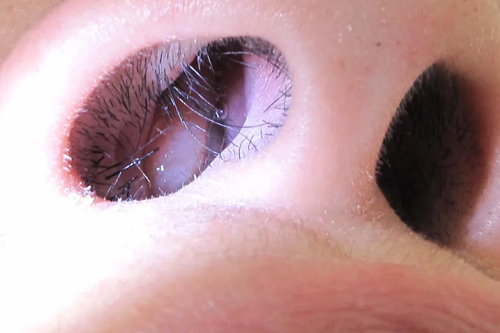
Nasal polyps are soft, non-cancerous growths that develop from the lining of the nose or sinuses. They can cause persistent nasal blockage, reduced sense of smell, nasal discharge, and difficulty breathing through the nose.
Dr. Prakhar Kumar provides detailed ENT evaluation to assess the size and location of nasal polyps and identify associated sinus or allergy-related conditions. Treatment may include medical management or endoscopic surgery for selected cases that do not respond adequately to conservative treatment. Book a consultation.
Conditions
Nasal polyps may occur with chronic inflammation of the nasal and sinus lining and can vary in size and severity.
- Nasal polyps
- Polyps associated with chronic sinusitis
- Recurrent nasal polyps
- Polyps associated with nasal allergies
- Multiple or extensive nasal polyps
- Polyps causing persistent nasal blockage
- Polyps associated with reduced sense of smell
- Nasal polyps not responding adequately to medical treatment
Symptoms
The symptoms of nasal polyps depend on their size, number, and whether they are associated with chronic nasal or sinus inflammation.
- Persistent nasal blockage
- Difficulty breathing through the nose
- Reduced or lost sense of smell
- Reduced sense of taste
- Persistent runny nose or nasal discharge
- Post-nasal drip
- Facial pressure or heaviness
- Snoring or disturbed sleep due to nasal blockage
Causes
Nasal polyps are commonly associated with long-term inflammation of the nasal and sinus lining.
- Chronic inflammation of the nose and sinuses
- Chronic sinusitis
- Nasal allergies
- Recurrent sinus infections
- Asthma associated with chronic airway inflammation
- Environmental irritants
- Long-standing nasal inflammation
- Other inflammatory conditions affecting the nasal lining
Treatment
Treatment is planned according to the size and extent of the polyps, associated sinus or allergy conditions, and response to previous treatment.
- Detailed ENT consultation and nasal examination
- Diagnostic nasal endoscopy when required
- Assessment of associated sinus conditions
- Medical treatment to control nasal inflammation
- Management of associated nasal allergies
- Treatment of associated sinus infection when indicated
- Endoscopic removal of nasal polyps for selected cases
- Functional Endoscopic Sinus Surgery (FESS) when clinically indicated
Benefits
Appropriate treatment can help reduce nasal blockage, improve breathing, and manage the underlying inflammation associated with nasal polyps.
- Helps relieve nasal blockage
- Improves nasal airflow
- May improve the sense of smell
- Helps reduce nasal discharge and post-nasal drip
- Supports better sinus drainage
- Helps manage associated chronic sinusitis
- May improve sleep and breathing comfort
- Provides personalized long-term management of recurrent polyps
Prevention
Managing nasal inflammation, allergies, and sinus conditions can help reduce symptoms and the risk of recurrent nasal polyps.
- Manage nasal allergies as advised
- Follow prescribed nasal treatment regularly
- Maintain recommended nasal hygiene
- Avoid prolonged exposure to smoke and irritants
- Treat recurrent sinus infections promptly
- Attend ENT follow-up for recurrent symptoms
- Do not ignore persistent nasal blockage or loss of smell
- Follow post-treatment care instructions after endoscopic surgery