Incision & Drainage of Abscesses
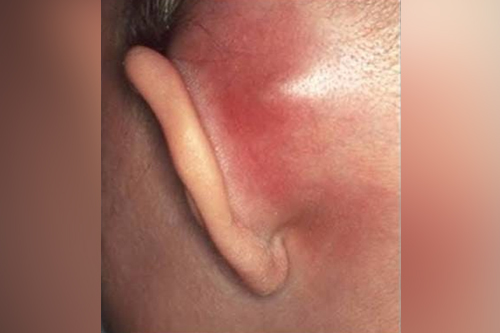
An abscess is a collection of pus that can develop within infected tissue and may cause pain, swelling, redness, and tenderness. Incision and drainage is a procedure used to open the abscess and allow the accumulated pus to drain.
Dr. Prakhar Kumar evaluates the location and extent of the swelling before recommending appropriate treatment. When required, incision and drainage can help relieve pressure and support healing of localized infections involving the ear, nose, throat, or head and neck region. Book a consultation.
Conditions
Incision and drainage may be recommended when a localized collection of pus requires drainage as part of treatment.
- Localized abscess in the head and neck region
- Skin or soft-tissue abscess
- Painful swelling containing pus
- Infected localized collection
- Abscess associated with surrounding inflammation
- Localized infection not responding adequately to medical treatment
- Recurrent or persistent localized swelling requiring evaluation
- Selected ENT and head & neck abscesses requiring drainage
Symptoms
An abscess commonly presents as a painful or tender swelling and may be associated with other signs of infection.
- Painful or tender swelling
- Redness or warmth around the affected area
- Localized collection or lump
- Swelling that gradually increases in size
- Pus or fluid discharge
- Throbbing or persistent discomfort
- Fever or general feeling of illness
- Difficulty swallowing or other local symptoms depending on the site
Causes
Abscesses usually develop when bacteria enter damaged or inflamed tissue and lead to a localized collection of pus.
- Bacterial infection
- Infected skin or soft tissue
- Blocked glands or tissue spaces
- Minor cuts, wounds, or tissue injury
- Spread of a localized infection
- Underlying ENT or head and neck infection
Treatment
Treatment begins with careful examination of the swelling to determine its location, extent, and the most appropriate management approach.
- Detailed ENT and head & neck examination
- Assessment of the size and location of the abscess
- Incision and drainage of the abscess when indicated
- Appropriate wound care following drainage
- Management of the underlying infection
- Antibiotic treatment when clinically indicated
- Further investigation for recurrent or unusual abscesses
- Follow-up assessment to monitor healing
Benefits of Treatment
Appropriate drainage can help relieve pressure and support recovery when an abscess requires procedural treatment.
- Relief from pressure and localized pain
- Drainage of accumulated pus
- Reduction in localized swelling
- Improved comfort around the affected area
- Supports treatment of the localized infection
- Helps promote proper wound healing
- Allows assessment of the drained area
- Appropriate follow-up for continued recovery
Aftercare
Proper wound care and follow-up are important after drainage to support healing and monitor for signs of persistent infection.
- Keep the treated area clean as advised
- Follow wound-care instructions carefully
- Take prescribed medicines as directed
- Complete the recommended course of antibiotics when prescribed
- Avoid squeezing or pressing the treated area
- Monitor for increasing pain, swelling, or redness
- Report fever, persistent discharge, or worsening symptoms
- Attend scheduled follow-up appointments