Salivary Gland Surgery
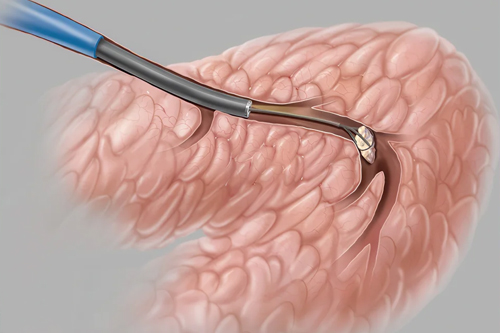
Salivary glands are responsible for producing saliva, which helps with digestion, swallowing, and maintaining moisture in the mouth. Problems affecting these glands may cause swelling, pain, recurrent infections, blocked saliva flow, or the development of a lump.
Dr. Prakhar Kumar provides comprehensive evaluation of salivary gland disorders and plans surgical treatment when clinically indicated. The type of surgery depends on the affected gland, underlying condition, and findings from clinical examination and investigations. Book a consultation.
Conditions
Salivary gland surgery may be recommended for persistent obstruction, recurrent infection, stones, cysts, or selected salivary gland tumours.
- Salivary gland stones
- Recurrent salivary gland infections
- Blocked salivary ducts
- Persistent swelling of salivary glands
- Salivary gland cysts
- Benign salivary gland tumours
- Suspicious salivary gland masses
- Selected salivary gland cancers
Symptoms
Salivary gland disorders may cause swelling, pain, changes in saliva flow, or a noticeable lump around the face, jaw, or neck.
- Swelling near the cheek, jaw, or neck
- Pain or tenderness in the salivary gland
- Swelling or pain that increases during meals
- Dry mouth or reduced saliva flow
- Recurrent swelling of the salivary gland
- Recurrent salivary gland infections
- A lump within or around a salivary gland
- Difficulty chewing, swallowing, or opening the mouth in selected cases
Causes
Salivary gland problems can develop due to blockage, infection, inflammation, cysts, or abnormal growths within the gland.
- Salivary gland stones
- Bacterial or viral infections
- Blockage of salivary ducts
- Dehydration and reduced saliva flow
- Chronic inflammation of the salivary glands
- Salivary gland cysts
- Benign salivary gland growths
- Malignant salivary gland tumours
Treatment
Treatment is planned according to the affected salivary gland, underlying condition, size and location of any growth, and the patient's symptoms.
- Detailed ENT and head & neck examination
- Assessment of salivary gland swelling or lumps
- Imaging of the salivary gland when required
- Evaluation of salivary duct obstruction
- Fine-needle aspiration or biopsy for selected masses
- Removal of salivary gland stones when appropriate
- Partial or complete removal of the affected salivary gland when indicated
- Postoperative monitoring and follow-up care
Benefits
Appropriate evaluation and surgical treatment can help address the underlying salivary gland problem and relieve persistent symptoms.
- Helps identify the cause of salivary gland swelling
- Relieves pain and recurrent swelling in suitable cases
- Helps treat blocked salivary ducts and stones
- Reduces recurrent salivary gland infections
- Allows evaluation of suspicious salivary gland masses
- Provides surgical treatment for selected tumours
- Addresses the underlying structural problem
- Supports appropriate long-term head and neck care
Prevention
Not all salivary gland disorders can be prevented, but maintaining good oral and general health may help reduce certain risks.
- Stay adequately hydrated
- Maintain good oral hygiene
- Treat oral and dental infections promptly
- Seek care for recurrent salivary gland swelling
- Do not ignore a persistent lump in the face or neck
- Follow recommended treatment for salivary gland conditions
- Attend follow-up for known salivary gland masses
- Seek ENT evaluation for persistent pain or swelling around the salivary glands