Speech and Language Delay Assessment
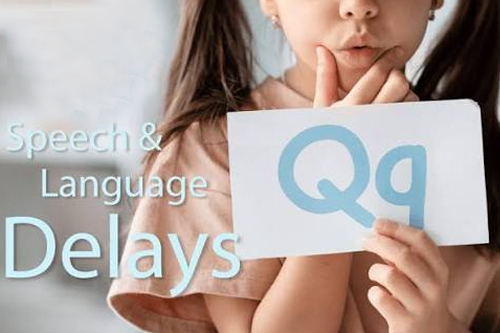
Speech and language development is an important part of a child's communication and overall development. A delay may affect a child's ability to understand language, express thoughts, pronounce sounds, or communicate effectively for their age.
Dr. Prakhar Kumar provides pediatric ENT evaluation for children with speech and language delays, particularly when hearing loss, recurrent ear infections, or other ear, nose, and throat conditions may be contributing factors. Appropriate hearing assessment and ENT evaluation can help identify possible underlying problems and guide further care. Book a consultation.
Conditions
Assessment may be recommended when a child shows difficulty with speech, language, communication, or hearing compared with expected developmental milestones.
- Speech and language delay
- Delayed speech development
- Difficulty understanding spoken language
- Difficulty expressing words or sentences
- Unclear or delayed pronunciation
- Speech delay associated with hearing concerns
- Speech delay associated with recurrent ear infections
- Children requiring hearing evaluation as part of speech-delay assessment
Symptoms
Parents and caregivers should consider evaluation when a child's communication skills appear delayed or when there are concerns about hearing and understanding speech.
- Uses fewer words than expected for age
- Difficulty forming age-appropriate sentences
- Speech is difficult to understand
- Difficulty following simple verbal instructions
- Does not respond consistently when spoken to
- Frequently asks for repetition
- Difficulty communicating needs or thoughts
- Limited response to sounds or voices
Causes
Speech and language delay can have different causes. Hearing difficulties are one important factor that should be assessed when a child has delayed speech or communication.
- Hearing loss
- Recurrent ear infections
- Fluid buildup in the middle ear
- Congenital hearing conditions
- Problems affecting the ear or hearing pathway
- Developmental differences
- Speech or language disorders
- Other developmental or neurological factors
Treatment
The assessment focuses on identifying possible hearing or ENT-related factors and determining whether additional evaluation or specialist support is required.
- Detailed pediatric ENT consultation
- Assessment of speech and communication concerns
- Comprehensive ear examination
- Age-appropriate hearing evaluation
- Audiometry when appropriate
- BERA testing when clinically indicated
- Management of identified ear or hearing conditions
- Referral for speech and language therapy or other specialist assessment when required
Benefits
Early assessment can help identify hearing-related factors and support timely intervention during important stages of a child's communication development.
- Helps identify hearing difficulties
- Supports early detection of treatable ear conditions
- Helps determine whether hearing may be affecting speech development
- Supports appropriate speech and language referral
- Allows timely management of recurrent ear problems
- Helps parents understand possible contributing factors
- Supports communication and language development
- Provides an individualized evaluation and care plan
Prevention
Not all speech and language delays can be prevented, but monitoring development and addressing hearing or ear problems early can support healthy communication.
- Monitor speech and language milestones
- Attend recommended hearing screenings
- Treat recurrent ear infections promptly
- Seek evaluation if a child does not respond normally to sounds
- Talk, read, and interact regularly with your child
- Reduce excessive background noise during communication
- Follow recommended hearing or ENT treatment
- Seek professional assessment if speech or language development appears delayed