Oral Cavity Tumor / Cancer Surgery
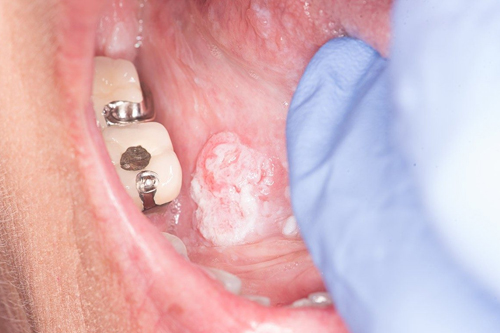
Oral cavity tumours and cancers can develop in areas such as the lips, tongue, gums, inner cheeks, floor of the mouth, and palate. Early evaluation of persistent mouth lesions or lumps is important for identifying the condition and planning appropriate treatment.
Dr. Prakhar Kumar provides comprehensive head and neck evaluation for suspicious oral cavity lesions and tumours. Depending on the diagnosis, stage, location, and extent of the disease, treatment may include surgical removal of the tumour with appropriate assessment of surrounding tissues and lymph nodes. Book a consultation.
Conditions
Evaluation and surgery may be recommended for persistent or suspicious lesions and confirmed tumours of the oral cavity.
- Oral cavity tumours
- Oral cavity cancer
- Tongue tumours
- Lip tumours
- Gum or gingival tumours
- Inner cheek tumours
- Floor of mouth tumours
- Palatal tumours and suspicious oral lesions
Symptoms
Persistent changes in the mouth should be evaluated, especially when they do not heal or gradually become larger or more painful.
- A sore or ulcer in the mouth that does not heal
- Persistent lump or thickening in the mouth
- Unexplained bleeding from an oral lesion
- Persistent pain or discomfort in the mouth
- Difficulty chewing or swallowing
- Difficulty moving the tongue
- Persistent numbness or altered sensation
- Unexplained neck swelling associated with an oral lesion
Causes
Oral cavity cancer can develop due to multiple risk factors. Some mouth lesions may also occur without an obvious cause and require evaluation to determine their nature.
- Tobacco smoking
- Smokeless tobacco use
- Excessive alcohol consumption
- Combined tobacco and alcohol exposure
- Human papillomavirus (HPV) infection in selected cases
- Long-term irritation of the oral tissues
- Previous oral lesions or precancerous changes
- Other individual and environmental risk factors
Treatment
Treatment is planned according to the type, location, size, and extent of the tumour and the results of clinical examination and biopsy.
- Detailed head and neck examination
- Assessment of the oral cavity and neck
- Biopsy of suspicious oral lesions when indicated
- Imaging studies when clinically required
- Surgical removal of selected oral cavity tumours
- Removal of involved surrounding tissues when required
- Assessment and management of regional lymph nodes when indicated
- Postoperative follow-up and coordination of further cancer treatment when required
Benefits
Early assessment of suspicious oral lesions helps establish the diagnosis and allows appropriate treatment to be planned without unnecessary delay.
- Helps identify suspicious oral lesions
- Supports accurate diagnosis through biopsy
- Allows appropriate surgical planning
- Helps remove selected oral cavity tumours
- Supports assessment of surrounding tissues
- Allows evaluation of associated neck lymph nodes
- Supports timely management of confirmed oral cancer
- Provides individualized head and neck cancer care
Prevention
Reducing known risk factors and seeking early evaluation of persistent oral changes can help support better oral and overall health.
- Avoid smoking and tobacco products
- Avoid smokeless tobacco and areca nut products
- Limit alcohol consumption
- Maintain good oral hygiene
- Attend regular dental and oral examinations
- Do not ignore a mouth ulcer or lump that does not heal
- Seek evaluation for persistent oral bleeding or pain
- Follow recommended follow-up after treatment of oral lesions