Tinnitus (Ringing in the Ears) Management
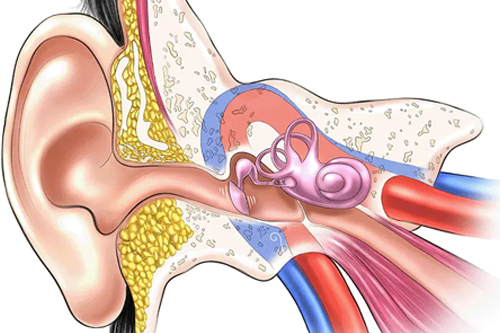
Tinnitus is the perception of ringing, buzzing, humming, or other sounds in the ear or head without an external sound source. It may be temporary or persistent and can occur in one or both ears.
Dr. Prakhar Kumar provides detailed ENT evaluation to identify possible causes of tinnitus and assess associated hearing problems or ear conditions. Management is planned according to the underlying cause, symptoms, and individual hearing needs. Book a consultation.
Conditions
Tinnitus can be associated with different ear and hearing conditions and may require evaluation when it persists or affects daily life.
- Persistent or recurrent tinnitus
- Tinnitus associated with hearing loss
- Tinnitus associated with earwax buildup
- Tinnitus associated with chronic ear infections
- Tinnitus following prolonged noise exposure
- One-sided or unilateral tinnitus
- Tinnitus associated with dizziness or ear symptoms
- Tinnitus requiring assessment of the underlying ear condition
Symptoms
Tinnitus can vary in sound and intensity and may occur with other ear or hearing symptoms.
- Ringing in one or both ears
- Buzzing or humming sounds
- Whistling or hissing sounds
- Feeling of fullness or blockage in the ear
- Reduced or muffled hearing
- Difficulty concentrating due to persistent sound
- Sleep disturbance associated with tinnitus
- Dizziness or balance symptoms in selected cases
Causes
Tinnitus can have several possible causes, so a detailed ear and hearing assessment is important when symptoms persist.
- Hearing loss related to ageing
- Prolonged exposure to loud sounds
- Earwax blockage
- Ear infections or inflammation
- Middle-ear or eardrum problems
- Previous ear injury or trauma
- Some medicines or underlying medical conditions
- Other ear and hearing disorders
Treatment
Tinnitus management focuses on identifying and treating an underlying cause when possible and helping reduce the impact of persistent symptoms.
- Detailed ENT consultation and ear examination
- Oto endoscopic examination when required
- Hearing assessment and audiometry
- Earwax removal when blockage is contributing to symptoms
- Treatment of underlying ear infections or conditions
- Assessment and management of associated hearing loss
- Hearing aid evaluation when appropriate
- Further investigations or specialist referral when clinically indicated
Benefits
Proper evaluation can help identify treatable causes and provide an individualized approach to managing tinnitus.
- Helps identify possible causes of tinnitus
- Detects associated hearing loss
- Identifies treatable ear conditions
- Helps manage earwax or infection-related tinnitus
- Supports appropriate hearing management
- May improve communication when hearing loss is present
- Provides personalized management recommendations
- Helps monitor persistent or changing symptoms
Prevention
Protecting your hearing and maintaining good ear health may help reduce the risk of tinnitus associated with preventable causes.
- Protect your ears from prolonged loud noise
- Use appropriate hearing protection in noisy environments
- Avoid inserting objects deep into the ear
- Treat persistent ear infections promptly
- Seek professional care for impacted earwax
- Do not ignore persistent or one-sided tinnitus
- Have hearing assessed when symptoms persist
- Attend ENT follow-up when recommended