Direct & Indirect Laryngoscopy
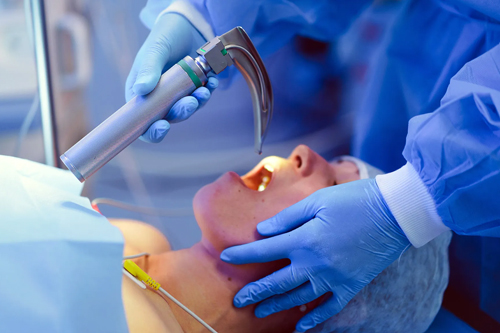
Direct and indirect laryngoscopy are examination techniques used to assess the throat, larynx, and vocal cords. The appropriate method is selected based on the patient's symptoms, clinical findings, and the level of visualization required.
Indirect laryngoscopy may use a small mirror or other indirect viewing technique, while direct laryngoscopy allows the larynx to be examined more directly using a laryngoscope. Dr. Prakhar Kumar recommends the appropriate examination based on each patient's individual needs. Book a consultation.
Conditions
Direct or indirect laryngoscopy may be recommended to investigate persistent symptoms affecting the voice, throat, swallowing, or larynx.
- Persistent hoarseness or voice changes
- Chronic cough
- Difficulty swallowing
- Pain while swallowing
- Chronic throat discomfort
- Sensation of something stuck in the throat
- Suspected vocal cord abnormalities
- Selected laryngeal or throat conditions
Symptoms
Persistent or unexplained throat and voice symptoms may require laryngeal examination.
- Persistent hoarseness
- Change in voice quality
- Chronic cough
- Difficulty swallowing
- Pain while swallowing
- Persistent throat pain
- Sensation of a lump in the throat
- Unexplained throat or voice symptoms
Possible Causes
Laryngeal symptoms can arise from inflammation, irritation, vocal cord conditions, or other structural problems.
- Vocal strain or overuse
- Laryngitis or throat inflammation
- Acid reflux affecting the larynx
- Vocal cord nodules or polyps
- Smoking and environmental irritants
- Vocal cord movement disorders
- Structural abnormalities of the larynx
- Other throat or laryngeal conditions
Procedure
The examination method is selected according to the patient's symptoms and the level of visualization required.
- Detailed ENT and throat examination
- Indirect laryngoscopy when appropriate
- Direct laryngoscopy for selected cases
- Examination of the throat and larynx
- Assessment of the vocal cords
- Evaluation of visible lesions or abnormalities
- Further diagnostic testing when required
- Personalized treatment planning based on findings
Benefits of Laryngoscopy
Laryngeal examination helps the ENT specialist identify abnormalities and determine the appropriate next steps.
- Assessment of the larynx and vocal cords
- Helps investigate persistent hoarseness
- Evaluation of swallowing-related symptoms
- Identification of visible vocal cord lesions
- Assessment of throat and laryngeal abnormalities
- Helps guide further diagnostic testing
- Supports appropriate treatment planning
- Useful for selected follow-up evaluations
Aftercare
Aftercare depends on the type of laryngoscopy performed and whether any additional procedure was carried out.
- Follow the ENT specialist's instructions
- Rest the voice when advised
- Stay adequately hydrated
- Avoid smoking and throat irritants
- Take prescribed medicines as directed
- Avoid unnecessary throat clearing
- Attend recommended follow-up consultations
- Report persistent pain, bleeding, or unusual symptoms