Evaluation and Management of Swallowing Disorders
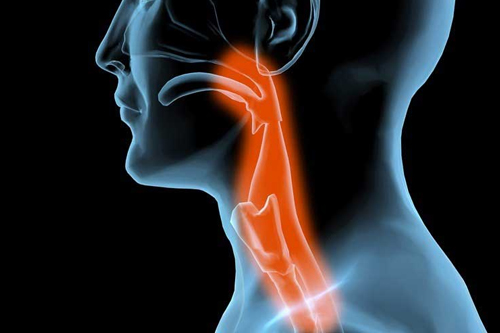
Swallowing disorders, also known as dysphagia, can make it difficult or uncomfortable to move food or liquids safely from the mouth to the throat and food pipe. They may occur due to problems affecting the throat, swallowing muscles, nerves, or other structures involved in swallowing.
Dr. Prakhar Kumar provides detailed ENT evaluation to identify possible causes of swallowing difficulties. Assessment may include examination of the throat and larynx, laryngoscopy, and swallowing evaluation such as Fiberoptic Endoscopic Evaluation of Swallowing (FEES) when clinically indicated. Book a consultation.
Conditions
Swallowing difficulties can occur due to a variety of structural, functional, neurological, or inflammatory conditions affecting the swallowing process.
- Dysphagia or difficulty swallowing
- Difficulty swallowing solid foods
- Difficulty swallowing liquids
- Throat-related swallowing problems
- Swallowing difficulties associated with neurological conditions
- Swallowing problems associated with throat or laryngeal conditions
- Post-treatment or post-surgical swallowing difficulties
- Persistent swallowing problems requiring further evaluation
Symptoms
Swallowing disorders can affect eating, drinking, nutrition, and comfort and may sometimes lead to coughing or choking during meals.
- Difficulty swallowing food or liquids
- Feeling that food is stuck in the throat
- Coughing or choking while eating or drinking
- Frequent throat clearing during meals
- Difficulty initiating a swallow
- Wet or gurgly voice after swallowing
- Regurgitation of food or liquids
- Unexplained weight loss or reduced food intake
Causes
Swallowing difficulties can have several possible causes involving the throat, larynx, muscles, nerves, or other parts of the swallowing pathway.
- Neurological disorders affecting swallowing
- Throat or laryngeal conditions
- Muscle weakness affecting swallowing
- Structural narrowing or obstruction
- Inflammation or infection of the throat
- Acid reflux affecting the throat
- Previous head, neck, or throat surgery
- Age-related changes affecting swallowing function
Treatment
Management depends on the underlying cause and severity of the swallowing problem. A detailed assessment helps determine the safest and most appropriate treatment approach.
- Detailed ENT consultation and throat examination
- Laryngoscopy or video laryngoscopy when required
- Fiberoptic Endoscopic Evaluation of Swallowing (FEES) when indicated
- Assessment of swallowing safety and function
- Management of underlying throat or laryngeal conditions
- Diet and swallowing modifications when appropriate
- Speech and swallowing therapy when indicated
- Further investigations or specialist referral when required
Benefits
Early evaluation can help identify the cause of swallowing difficulties and support safer, more effective eating and drinking.
- Helps identify the underlying cause of dysphagia
- Assesses swallowing safety and function
- Helps identify aspiration risk when present
- Supports appropriate dietary recommendations
- Helps guide swallowing therapy when required
- Addresses associated throat and laryngeal conditions
- Supports safer and more comfortable swallowing
- Provides an individualized management plan
Prevention
Not all swallowing disorders can be prevented, but early evaluation and appropriate management of underlying conditions can help reduce complications.
- Eat slowly and chew food thoroughly
- Take appropriate small bites and sips
- Maintain an upright position while eating
- Manage acid reflux when present
- Treat persistent throat infections or inflammation
- Follow recommended swallowing techniques
- Seek evaluation for persistent coughing or choking while eating
- Attend follow-up when swallowing problems are being treated