Treatment of Vocal Cord Nodules
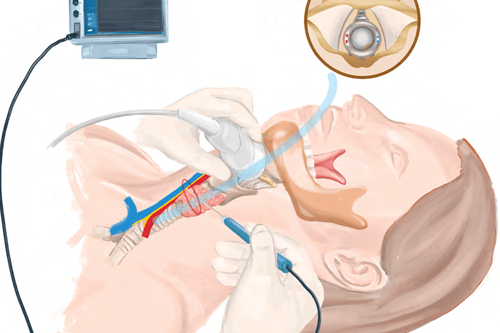
Vocal cord nodules are small, benign growths that develop on the vocal cords, usually as a result of repeated or excessive voice use. They can affect the normal vibration of the vocal cords and lead to persistent changes in voice quality.
Dr. Prakhar Kumar provides detailed ENT evaluation of the vocal cords to assess the size and location of nodules and identify contributing factors. Treatment may include voice care, medical management, voice therapy, and surgical removal in selected cases. Book a consultation.
Conditions
Vocal cord nodules may develop gradually and are commonly associated with repeated stress or strain on the voice.
- Vocal cord nodules
- Voice changes associated with vocal nodules
- Chronic vocal strain
- Voice disorders caused by excessive voice use
- Recurrent hoarseness related to vocal cord nodules
- Vocal fatigue associated with nodules
- Persistent rough or breathy voice
- Nodules requiring further assessment or treatment
Symptoms
Vocal cord nodules can interfere with normal vocal cord vibration and may cause persistent changes in voice quality.
- Persistent hoarseness
- Rough or raspy voice
- Breathy or weak voice
- Voice fatigue after speaking
- Difficulty speaking for long periods
- Reduced vocal range
- Frequent throat clearing
- Discomfort or strain while speaking
Causes
Vocal cord nodules commonly develop because of repeated friction and stress on the vocal cords over time.
- Excessive voice use
- Frequent shouting or loud speaking
- Improper voice technique
- Prolonged speaking or singing
- Repeated vocal strain
- Chronic throat irritation
- Smoking or exposure to irritants
- Acid reflux affecting the throat
Treatment
Treatment depends on the size and severity of the nodules, duration of symptoms, voice requirements, and response to conservative management.
- Detailed ENT consultation and throat examination
- Direct or indirect laryngoscopy when required
- Video laryngoscopy for detailed vocal cord assessment
- Voice rest and vocal-care measures
- Voice therapy or speech therapy when indicated
- Management of associated acid reflux or throat irritation
- Reduction of harmful voice-use habits
- Surgical removal of persistent nodules in selected cases
Benefits
Appropriate treatment can help reduce vocal strain, improve voice quality, and support healthier vocal cord function.
- Helps improve voice quality
- Reduces hoarseness and vocal strain
- May improve vocal endurance
- Helps identify harmful voice-use habits
- Supports healthier vocal cord function
- May reduce recurrent voice problems
- Helps prevent further vocal cord irritation
- Provides individualized voice-care guidance
Prevention
Good vocal habits and proper voice care can help reduce excessive stress on the vocal cords and lower the risk of recurrent nodules.
- Avoid excessive shouting or loud speaking
- Take regular voice breaks during prolonged speaking
- Stay adequately hydrated
- Use proper voice techniques
- Avoid smoking and tobacco exposure
- Manage acid reflux when present
- Avoid frequent throat clearing
- Seek ENT evaluation for persistent hoarseness or voice changes