Pediatric Hearing Evaluation
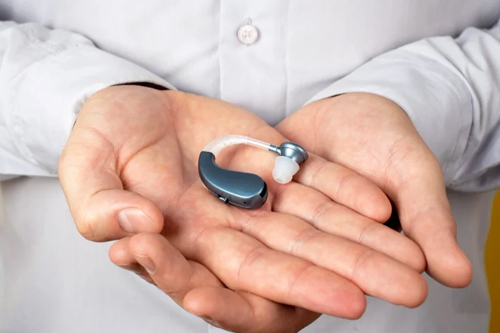
Pediatric hearing evaluation is an important part of assessing a child's ability to hear and respond to sounds. Early identification of hearing difficulties can support timely management and help reduce their impact on speech, language, learning, and communication development.
Dr. Prakhar Kumar provides ENT evaluation for children with suspected hearing difficulties, recurrent ear problems, delayed speech, or concerns about their response to sound. Depending on the child's age and needs, appropriate hearing tests and ear examinations may be recommended. Book a consultation.
Conditions
Hearing evaluation may be recommended when there are concerns about a child's hearing, speech development, ear health, or response to sounds.
- Suspected hearing loss in children
- Delayed speech or language development
- Recurrent ear infections
- Fluid buildup behind the eardrum
- Difficulty responding to sounds or voices
- Hearing concerns after birth
- School-age hearing concerns
- Children requiring follow-up hearing assessment
Symptoms
Children may not always be able to explain hearing difficulties, so parents and caregivers should watch for changes in hearing and communication behaviour.
- Does not respond consistently to sounds
- Does not respond when called by name
- Frequently asks for repetition
- Turns the head toward one side to hear
- Uses a high volume for television or devices
- Delayed speech or unclear speech
- Difficulty following verbal instructions
- Frequent ear infections associated with hearing concerns
Causes
Hearing difficulties in children can occur due to temporary ear conditions, problems affecting the middle or inner ear, or other factors affecting hearing development.
- Recurrent ear infections
- Fluid buildup in the middle ear
- Problems with the eardrum or middle ear
- Congenital hearing conditions
- Genetic factors
- Noise exposure
- Certain infections affecting hearing
- Other conditions affecting the hearing pathway
Treatment
The evaluation approach is selected according to the child's age, development, symptoms, and ability to participate in hearing tests.
- Detailed pediatric ENT consultation
- Examination of the ear and eardrum
- Age-appropriate hearing assessment
- Audiometry when appropriate
- BERA testing when clinically indicated
- Assessment for middle ear fluid or infection
- Management of identified ear conditions
- Referral for hearing rehabilitation or further specialist care when required
Benefits
Early hearing evaluation can help identify hearing difficulties and support timely management during important stages of speech, language, and learning development.
- Helps identify hearing difficulties early
- Supports assessment of hearing in both ears
- Helps identify middle ear problems
- Supports speech and language development
- May help identify hearing-related learning concerns
- Allows timely management of treatable ear conditions
- Helps guide further hearing support when required
- Provides an individualized hearing-care plan
Prevention
Not all childhood hearing problems can be prevented, but protecting the ears and addressing ear conditions promptly can support healthy hearing.
- Protect children from excessive noise exposure
- Avoid inserting objects or cotton buds into the ears
- Treat recurrent ear infections promptly
- Attend recommended hearing screenings
- Monitor speech and language development
- Seek evaluation if a child does not respond normally to sounds
- Follow recommended treatment for middle ear conditions
- Attend follow-up hearing assessments when advised