Video Laryngoscopy
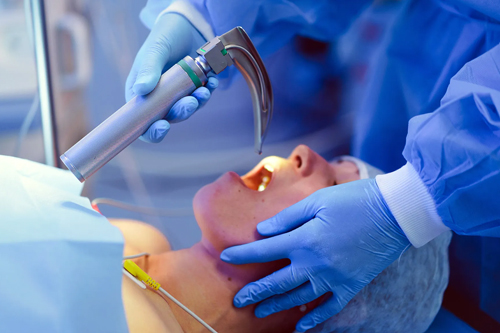
Video Laryngoscopy is an advanced examination that uses a laryngoscope with a camera to provide a clear view of the throat, larynx, and vocal cords. It helps an ENT specialist assess voice, swallowing, and throat-related symptoms in greater detail.
Dr. Prakhar Kumar uses video laryngoscopy to evaluate the larynx and vocal cords when symptoms such as persistent hoarseness, voice changes, throat discomfort, or swallowing difficulties require detailed examination. Book a consultation.
Conditions
Video laryngoscopy can help evaluate a wide range of conditions affecting the throat, voice box, and vocal cords.
- Persistent hoarseness
- Voice changes or voice disorders
- Vocal cord nodules or polyps
- Chronic throat discomfort
- Difficulty or pain while swallowing
- Vocal cord movement abnormalities
- Persistent throat irritation
- Selected laryngeal lesions or abnormalities
Symptoms
Persistent voice or throat symptoms may require detailed examination of the larynx and vocal cords.
- Persistent hoarseness
- Change in voice quality or pitch
- Difficulty swallowing
- Pain while swallowing
- Chronic throat discomfort
- Frequent throat clearing
- Chronic cough or throat irritation
- Unexplained voice or airway symptoms
Possible Causes
Voice and throat symptoms may result from several conditions affecting the vocal cords and larynx.
- Vocal strain or overuse
- Acid reflux affecting the throat
- Laryngeal or throat inflammation
- Vocal cord nodules or polyps
- Smoking and other irritants
- Vocal cord movement disorders
- Age-related voice changes
- Other structural conditions of the larynx
Procedure
Video laryngoscopy provides a detailed view of the larynx and vocal cords to support accurate diagnosis and treatment planning.
- Detailed ENT and throat examination
- Preparation of the nasal or throat passage when required
- Insertion of a small camera-equipped laryngoscope
- Visualization of the larynx and vocal cords
- Assessment of vocal cord movement
- Evaluation of visible lesions or abnormalities
- Documentation of relevant findings when required
- Personalized treatment planning based on the findings
Benefits of Video Laryngoscopy
Video-assisted visualization can provide a detailed view of the larynx and support accurate evaluation of voice and throat problems.
- Clear visualization of the larynx
- Detailed examination of the vocal cords
- Helps identify vocal cord lesions
- Assessment of vocal cord movement
- Helps investigate persistent hoarseness
- Supports evaluation of swallowing symptoms
- Useful for documenting selected findings
- Supports individualized treatment planning
Aftercare
Most diagnostic video laryngoscopy examinations require minimal aftercare, depending on the technique used.
- Follow the ENT specialist's instructions
- Rest the voice if advised
- Stay adequately hydrated
- Avoid smoking and throat irritants
- Use prescribed medicines as directed
- Avoid unnecessary throat clearing
- Attend follow-up consultations when recommended
- Report persistent discomfort or unusual symptoms