Tonsillectomy / Adenoidectomy
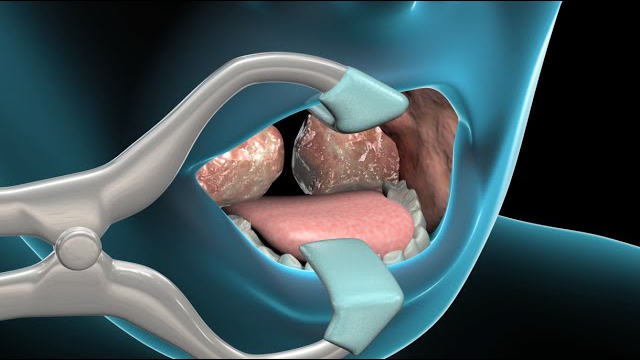
Tonsillectomy is the surgical removal of the tonsils, while adenoidectomy involves removing enlarged or problematic adenoids located behind the nose. These procedures may be recommended when recurrent infections, enlarged tonsils or adenoids, breathing difficulties, or swallowing problems affect a patient's health and quality of life.
Dr. Prakhar Kumar provides detailed ENT evaluation and personalized surgical care based on the patient's symptoms, examination findings, and individual treatment needs. Book a consultation.
Conditions
Tonsillectomy and adenoidectomy may be considered for persistent or recurrent conditions affecting the tonsils and adenoids.
- Recurrent tonsillitis and throat infections
- Enlarged tonsils causing breathing or swallowing problems
- Enlarged adenoids causing nasal blockage
- Snoring and obstructive sleep apnea
- Persistent mouth breathing
- Peritonsillar abscess
- Recurrent ear infections associated with enlarged adenoids
- Suspected abnormal tonsillar growth in selected cases
Symptoms
Persistent symptoms may require an ENT evaluation to determine whether tonsil or adenoid treatment is needed.
- Frequent sore throat or tonsillitis
- Pain or difficulty while swallowing
- Loud snoring or noisy breathing during sleep
- Pauses in breathing during sleep
- Nasal blockage and persistent mouth breathing
- Persistent bad breath
- Recurrent swelling of the neck glands
- Recurrent ear infections, particularly in children
Causes
Several factors can contribute to recurrent tonsil infections or enlargement of the tonsils and adenoids.
- Repeated bacterial or viral throat infections
- Persistent enlargement of tonsils or adenoids
- Allergies and ongoing upper airway inflammation
- Frequent upper respiratory infections
- Chronic inflammation of the tonsils or adenoids
- Persistent symptoms despite appropriate medical treatment
Treatment
Treatment is planned after a detailed ENT assessment and is tailored to the patient's symptoms and clinical condition.
- Detailed ENT examination and clinical evaluation
- Endoscopic assessment when required
- Sleep study assessment where indicated
- Coblation tonsillectomy
- Microdebrider adenoidectomy
- Conventional dissection tonsillectomy
- Combined tonsillectomy and adenoidectomy when required
- Structured post-operative pain management and follow-up
Benefits of Treatment
When surgery is appropriately recommended, treatment can help improve symptoms and overall quality of life.
- Fewer recurrent throat infections
- Improved breathing and sleep quality
- Relief from snoring and sleep-related breathing problems
- Improved comfort while swallowing
- Reduction in recurrent ear infections associated with enlarged adenoids
- Improved daily comfort and quality of life
- Short-stay or day-care treatment in suitable cases
- Structured recovery and post-operative care
Aftercare
Following post-operative instructions carefully can support a smooth and comfortable recovery.
- Stay adequately hydrated after surgery
- Follow the recommended soft-diet plan
- Take prescribed medicines as directed
- Maintain appropriate oral hygiene as advised
- Avoid strenuous physical activity during recovery
- Follow all post-operative instructions carefully
- Attend scheduled follow-up appointments
- Contact the doctor promptly if unusual symptoms occur