Head & Neck Cancer Diagnosis & Biopsy
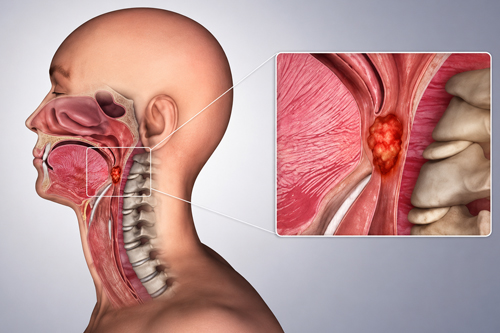
Head and neck cancer diagnosis involves a detailed evaluation of abnormal lumps, swellings, lesions, or persistent symptoms affecting areas such as the throat, mouth, nose, salivary glands, thyroid, and neck.
When further evaluation is required, a biopsy may be recommended to examine a small sample of tissue under a microscope. Dr. Prakhar Kumar provides focused ENT and Head & Neck assessment to help establish an accurate diagnosis and guide appropriate treatment planning. Book a consultation.
Conditions
Further evaluation and biopsy may be considered when a head or neck finding appears persistent, unusual, or suspicious.
- Persistent neck lumps or swellings
- Suspicious lesions in the mouth or throat
- Persistent or unexplained throat symptoms
- Unexplained voice changes or hoarseness
- Thyroid nodules or suspicious thyroid swellings
- Salivary gland lumps or swellings
- Persistent oral ulcers or abnormal growths
- Suspected tumors of the head and neck
Symptoms
Persistent or unexplained symptoms should be evaluated by an ENT and Head & Neck specialist.
- A lump or swelling in the neck
- Persistent sore throat
- Persistent hoarseness or voice change
- Difficulty or pain while swallowing
- Persistent mouth or throat ulcer
- Unexplained swelling in the mouth or throat
- Persistent ear pain without an obvious ear problem
- Unexplained or persistent bleeding from the nose or mouth
Risk Factors
Several factors may increase the risk of developing head and neck cancers. A suspicious finding does not necessarily mean cancer and requires proper medical evaluation.
- Tobacco use in any form
- Alcohol consumption
- Human papillomavirus (HPV) infection
- Long-term exposure to certain irritants
- Previous head and neck conditions
- Family or personal history of selected cancers
Diagnosis & Biopsy
A step-by-step diagnostic approach helps identify suspicious findings and determine whether tissue examination or further testing is required.
- Detailed medical history and clinical examination
- Comprehensive head and neck examination
- Examination of the mouth, throat, and neck
- Diagnostic nasal endoscopy or laryngoscopy when indicated
- Evaluation of thyroid and salivary gland swellings
- Imaging or other investigations when required
- Biopsy of a suspicious lesion when clinically indicated
- Pathology assessment to establish the diagnosis
Biopsy
A biopsy involves obtaining a small tissue sample from a suspicious area for laboratory examination. The type of biopsy depends on the location and nature of the lesion.
- Clinical assessment of the suspicious area
- Selection of an appropriate biopsy technique
- Tissue sampling from the affected area
- Laboratory and pathological examination
- Assessment of the biopsy report
- Further investigations when required
- Discussion of findings and treatment options
- Referral for multidisciplinary cancer care when indicated
Benefits of Early Diagnosis
Timely evaluation of suspicious head and neck findings can help establish an accurate diagnosis and support appropriate treatment planning.
- Accurate evaluation of suspicious lesions
- Helps determine whether a lesion is benign or malignant
- Supports timely treatment planning
- Helps identify the extent of further evaluation required
- Enables appropriate specialist referral when needed
- Supports individualized patient care
- Provides pathological confirmation when biopsy is performed
- Helps guide further management based on the diagnosis
Follow-Up & Care
Follow-up depends on the examination and biopsy findings and may include additional investigations, treatment, or specialist referral.
- Review the biopsy or investigation reports
- Discuss the diagnosis and recommended next steps
- Complete additional investigations when advised
- Follow the recommended treatment plan
- Attend specialist or multidisciplinary consultations when required
- Monitor persistent or changing symptoms
- Attend scheduled follow-up appointments
- Report new or worsening symptoms promptly