Diagnostic Nasal Endoscopy
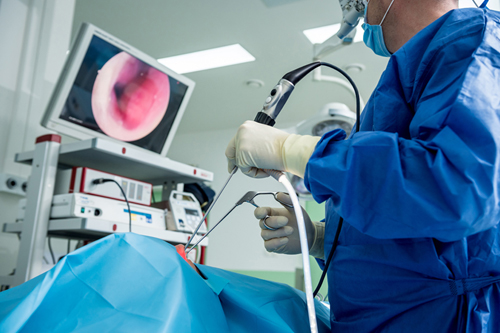
Diagnostic Nasal Endoscopy is a minimally invasive examination that uses a thin endoscope to provide a clear view of the nasal passages, nasal cavity, and areas connected to the sinuses. It helps an ENT specialist assess nasal and sinus conditions that may not be fully identified through a routine examination.
Dr. Prakhar Kumar may perform nasal endoscopy as part of a detailed ENT evaluation to identify the cause of nasal blockage, sinus symptoms, nasal discharge, bleeding, or other persistent concerns and to guide appropriate treatment. Book a consultation.
Conditions
Diagnostic nasal endoscopy can help evaluate a wide range of nasal and sinus conditions.
- Chronic sinusitis
- Persistent nasal blockage
- Nasal allergies and inflammation
- Nasal polyps
- Recurrent nosebleeds
- Persistent nasal discharge
- Deviated nasal septum
- Unexplained nasal or facial symptoms
Symptoms
Persistent nasal or sinus symptoms may require endoscopic evaluation to identify the underlying cause.
- Persistent nasal blockage
- Difficulty breathing through the nose
- Frequent or chronic sinus symptoms
- Recurrent nasal discharge
- Frequent nosebleeds
- Reduced sense of smell
- Facial pressure or discomfort
- Persistent post-nasal drainage
Causes
Nasal symptoms can have several causes, and endoscopic examination can help identify structural or inflammatory changes.
- Chronic nasal inflammation
- Allergic rhinitis
- Chronic or recurrent sinusitis
- Deviated nasal septum
- Nasal polyps
- Structural narrowing of the nasal passages
Procedure
Nasal endoscopy is performed as part of a focused ENT assessment to obtain a detailed view of the nasal passages and guide further management.
- Detailed ENT consultation and nasal examination
- Preparation of the nasal passage before examination
- Endoscopic examination of the nasal cavity
- Assessment of the nasal septum and surrounding structures
- Evaluation of sinus drainage areas
- Identification of inflammation, polyps, or structural abnormalities
- Documentation of relevant endoscopic findings
- Personalized treatment planning based on findings
Benefits of Nasal Endoscopy
Endoscopic examination provides a detailed view that can support accurate diagnosis and appropriate treatment planning.
- Detailed visualization of the nasal passages
- Helps identify causes of persistent nasal symptoms
- Assessment of nasal and sinus drainage pathways
- Detection of nasal polyps and inflammation
- Evaluation of structural abnormalities
- Supports accurate treatment planning
- Useful for monitoring selected nasal and sinus conditions
- Can assist in evaluating symptoms that persist despite treatment
Aftercare
Diagnostic nasal endoscopy generally requires minimal aftercare, although specific advice may be provided depending on the examination.
- Follow the ENT specialist's recommendations
- Use prescribed nasal medicines as directed
- Avoid unnecessary irritation of the nose
- Follow recommended nasal hygiene practices
- Monitor for persistent discomfort or bleeding
- Continue treatment recommended after evaluation
- Attend follow-up consultations when advised
- Discuss any persistent or worsening symptoms with your ENT specialist